
the competence
is the basis.
Our work is based on proven methods,
sound specialist knowledge and many years of experience.
Competencies
The foundation of our work lies in the skills on which our services are based. These include sound management methods, reliable industry knowledge and broad project and implementation experience. These skills help us to classify management issues in a technically sound manner, assess situations realistically and develop viable approaches.
Our services are particularly effective when these skills are consciously combined. This results in solutions that are not only convincing in their conception, but also in their implementation. For you and your team, this means support based on experience, methodological clarity and a realistic understanding of practical issues.
Services
Management Methods
Industry Knowledge
Project Experiences
Competencies
Management Methods
Our methodological expertise covers a broad spectrum of proven management methods. We systematically organize our knowledge, skills and experience within clearly structured management disciplines. This means that you and your team can quickly access suitable methods and procedures for different management topics.
Sales Management
Corporate Management
HR Management
Guidance
Six Sigma
Lean Management
Knowledge Management
Capability Management
Stakeholder Management
Change Management
Risk Management
Portfolio Management
Requirements Management
Program Management
Supplier Management
Supplier Management
Cost Management
Process Management
Project Management
Interim Management
Sales Management
Corporate Management
HR Management
Guidance
Six Sigma
Lean Management
Knowledge Management
Capability Management
Stakeholder Management
Change Management
Risk Management
Industry Knowledge
Our industry knowledge is based on many years of working in various industries and corporate environments. In doing so, we have become familiar with structures, processes and typical management issues in various industries from our own experience. This understanding helps us to realistically assess situations together with you and your team.
Industries
Information & Electrical Engineering

Public Sector

Transportation & Logistics
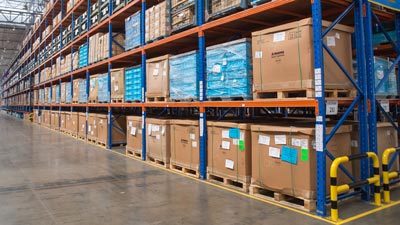
Manufacturing Industry

Network Engineering

Building Technology

Mechanical & Plant Engineering

Rail Vehicle Industry

Automotive Industry

Aviation Industry

Project Experiences
Our project experience is based on numerous projects in different companies and areas of responsibility. Lizard Group employees have been involved in a wide range of management topics and projects. The following examples will give you and your team a concrete impression of this practical implementation experience.
Selected references
Interim Managing Director and Head of Supply Chain Division

A medium-sized Building Technology company needed to temporarily fill the position of head of an operational department at short notice. At the same time, there was a need to further develop the organization, cooperation and management within the department and with associated units.
The aim was to ensure stable operations, clarify roles and create more transparency for further development.
The operational management, the further development of the organizational structure and the establishment of suitable governance and control routines were taken over.
Supporting program management in the development of electrical systems for the A380.

A program in Aviation Industry was in transition from development to production ramp-up and required additional coordination. Delays from the development phase increased the need for transparency, schedule control and a reliable basis for decision-making.
The aim was to present the program status, planning and risks more clearly and to further develop reporting.
This was supported by classic PMO work, maintenance of planning, coordination of information and preparation of reviews and decisions.
Management of a project for the analysis of central procurement projects on behalf of the Ministry of Defense
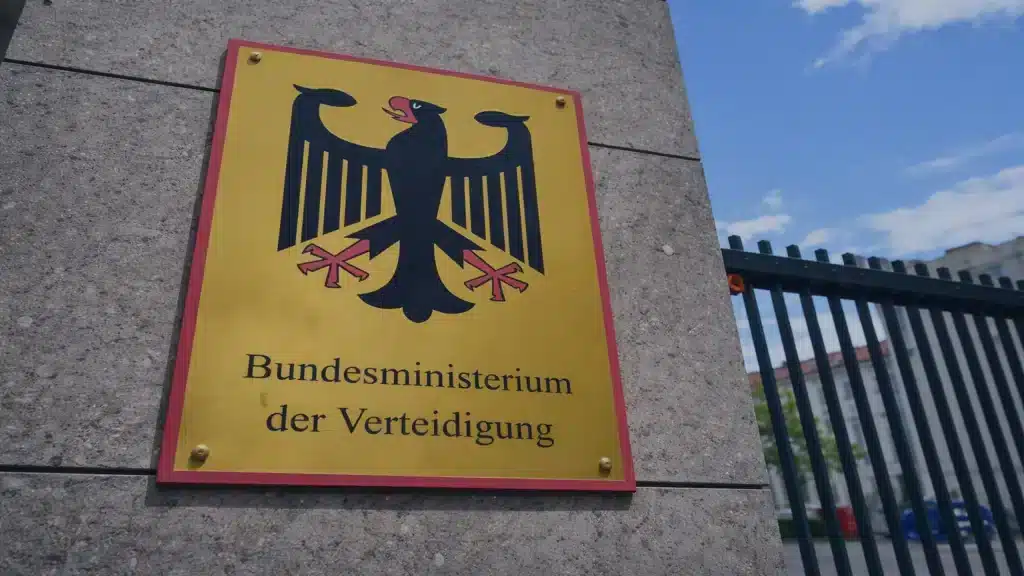
A public sector organization commissioned a comprehensive analysis of central procurement projects in order to make the status, risks and structural challenges more transparent. In addition, starting points for improvements in management and governance were to be identified.
The aim was to find a sound basis for decision-making and specific recommendations for the further development of the management of such projects.
To this end, processes and control structures were examined, discussions held, selected projects evaluated and the results consolidated.
Coaching a department head with regard to management skills

A company in the Aviation Industry had strong technical expertise in a management function, but was confronted with extended management and reorganization tasks. This gave rise to a need for structured support and targeted skills development.
The focus was on providing immediate relief in day-to-day business, expanding management skills and providing technical support for the organizational restructuring.
To this end, clearly structured coaching was set up, operational support was provided and the reorganization was jointly designed and implemented.
Technical management of a project for the introduction of a QM system according to DIN EN ISO 9001 in a US plant of an automotive OEM
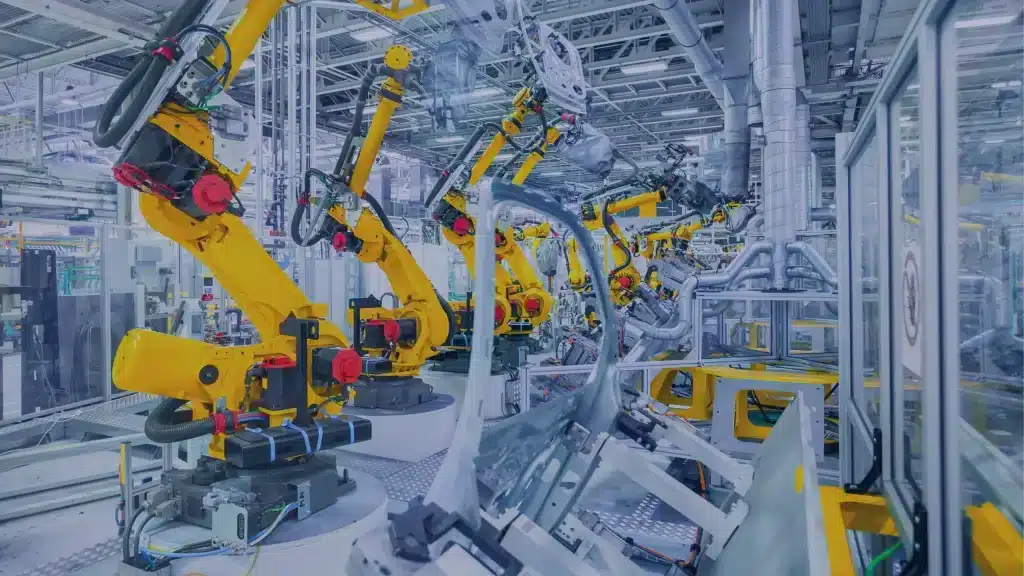
A car manufacturer was building a new plant and wanted to establish an effective quality management system for this. Processes, roles and responsibilities were to be described in a structured manner from the outset and made usable for subsequent further development.
The aim was to create a viable management system with a clear process landscape and to prepare for internal and external audits.
The project comprised the systematic development of the QM system, the assignment of responsibilities and support for audit preparation.
Internal audit of the QM system according to DIN EN ISO 9001 / VDA 6.1 for a manufacturer of car parts
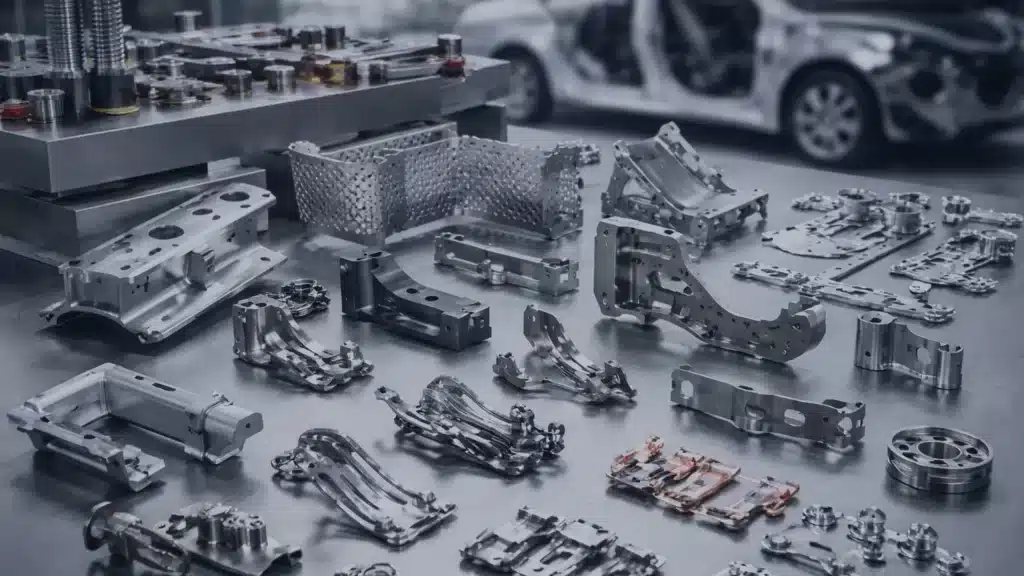
A manufacturer of components for the automotive industry had an established quality management system and wanted to assess its current level of maturity. The aim was to systematically visualize strengths, potential for improvement and further development steps.
The focus was on conformity, optimization possibilities in processes and documentation as well as specific recommendations for further development.
To this end, an internal system audit was carried out, documents analyzed, discussions held with those responsible and the results documented in a structured manner.
Management of a project for the introduction of a warehouse management system
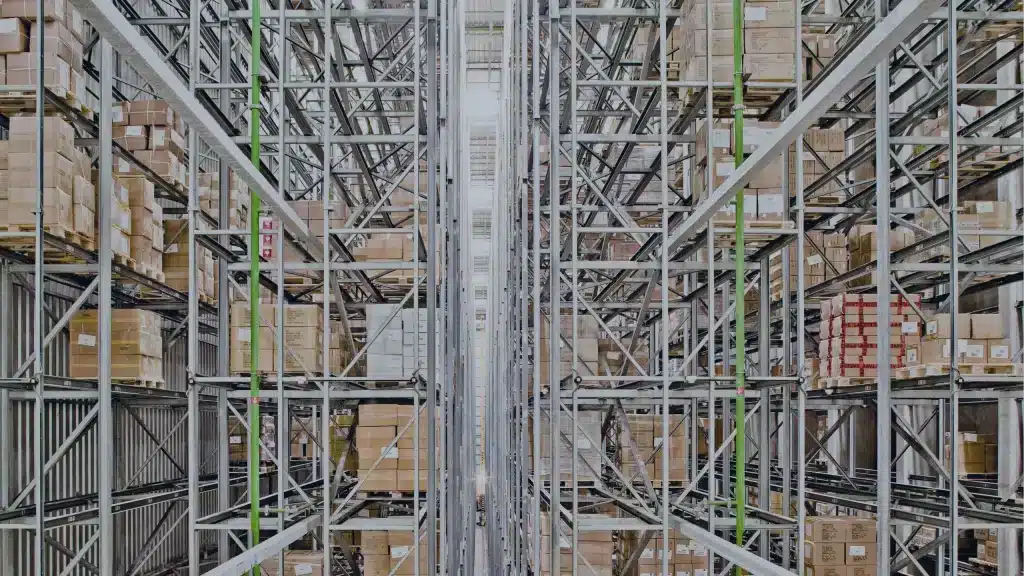
A trading company with a central distribution location pursued several initiatives to further develop its logistics performance. This included the introduction of a warehouse management system in a challenging environment with numerous stakeholders.
Structured project management, transparency regarding risks and reliable coordination between specialist departments, IT and operations had to be ensured.
Project management, integrated planning, coordination of the parties involved, decision support and target group-oriented reporting were taken on.
Management of a program to optimize logistics processes in a logistics center
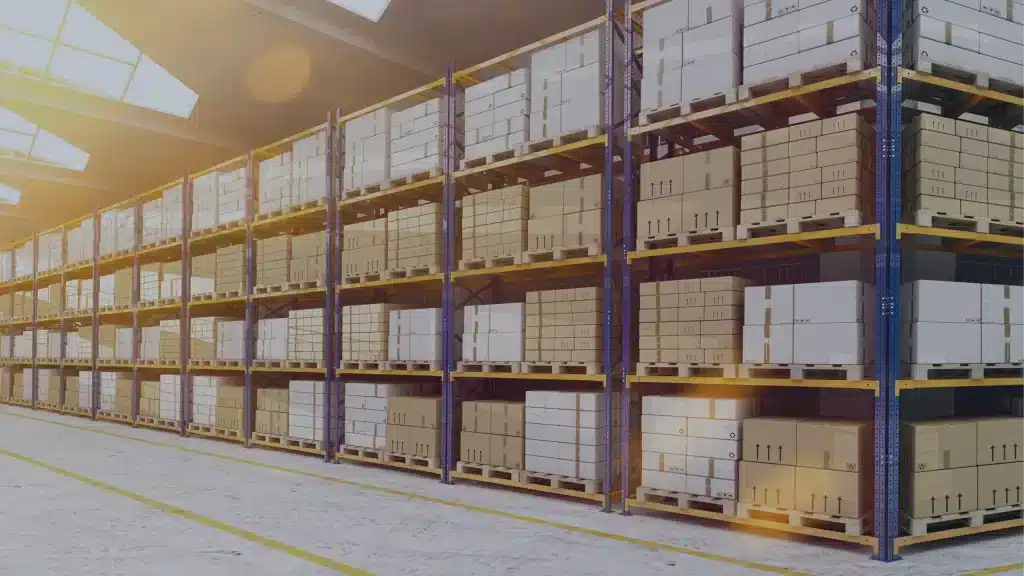
A retail and logistics company developed numerous initiatives to stabilize and improve its processes at a central location. The parallel processing of several topics required comprehensive program management.
The aim was to create transparency regarding progress, risks and dependencies as well as improved coordination between the areas involved.
To this end, program management was established, an integrated plan maintained, deadlines moderated, reporting established and the implementation of measures supported.
Conception and development of sales marketing standards

A software company wanted to expand its marketing and sales activities and create suitable standards and supporting media for this purpose. At the same time, the digital presence was to be further developed in a structured manner.
Clear design guidelines, templates, a suitable filing structure and impulses for further communicative design were required.
The standards were identified in workshops, elaborated, coordinated, adapted step by step and finally handed over for application with an exchange of experience.
Clarification of processes and roles for a manufacturer of car parts
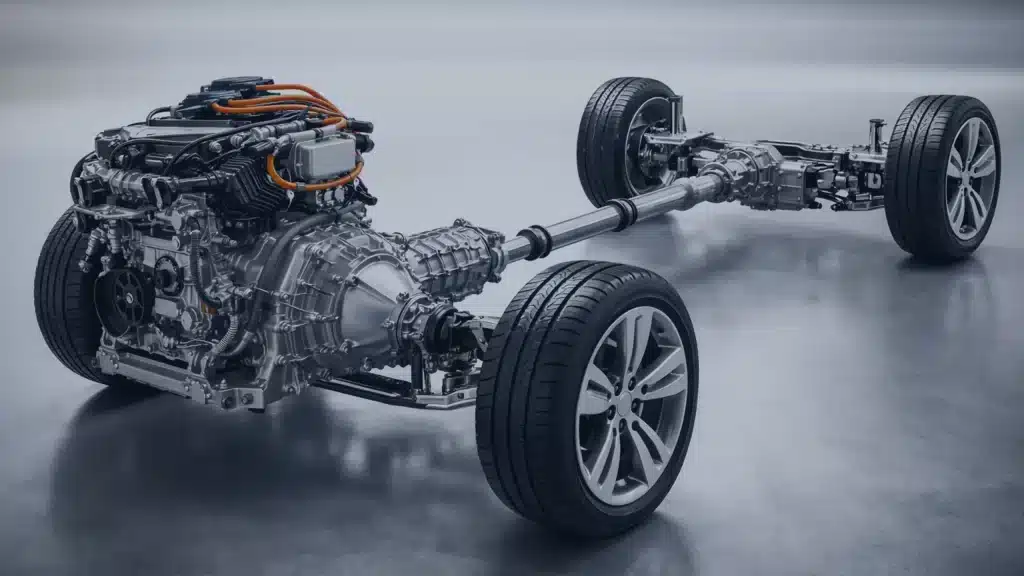
A company in the automotive industry had further developed its management system as part of an organizational realignment. Existing process descriptions were now to be supplemented and responsibilities described more transparently across departments.
The focus was on the clear assignment of roles and responsibilities, the structured description of additional processes and a better understanding of interfaces.
To this end, existing presentations were analyzed, workshops were held with specialist departments and the results were documented in process and responsibility models.
Development of a workflow tool to control a cost reduction program

A Building Technology company was coordinating numerous savings projects centrally and was reaching its limits with existing solutions. End-to-end digital support was therefore needed to ensure control, transparency and reliable processes.
They were looking for a company-wide tool with clear roles, centralized data storage, evaluations and simplified project management.
To this end, a suitable platform was selected, an initial version was developed along the defined process and then gradually expanded and supported.
Development and operation of a cost reduction program

A Building Technology company was reacting to rising costs and wanted to achieve noticeable savings in purchasing through a cross-divisional program. To achieve this, an effective organization with clear control mechanisms had to be established.
The aim was to systematically identify optimization potential and manage its implementation within a robust program framework.
To this end, strategies were developed, processes and organization with a program character were set up and teams and measures for different time horizons were established.
Training public service managers in management disciplines
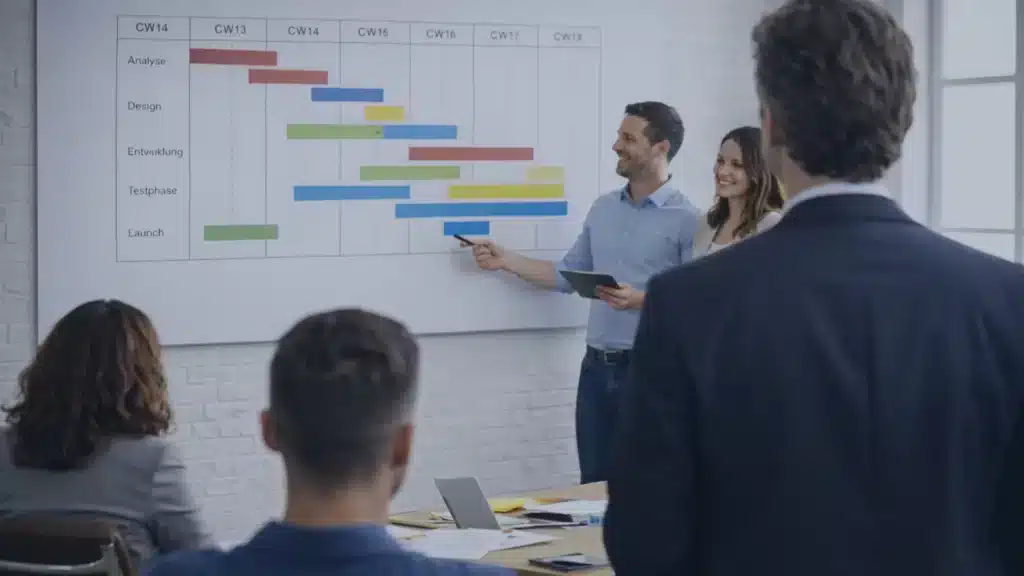
A large administration had set up a qualification program to systematically qualify managers for more advanced tasks. A suitable training program was needed for several areas of modern management methods.
The aim was to teach proven concepts and methods for everyday work in the administrative environment.
The training initially took place in person and was later supplemented digitally with case studies, practical examples and moderated exchange formats.
Operational support for the management of an SCM department of a wind turbine manufacturer
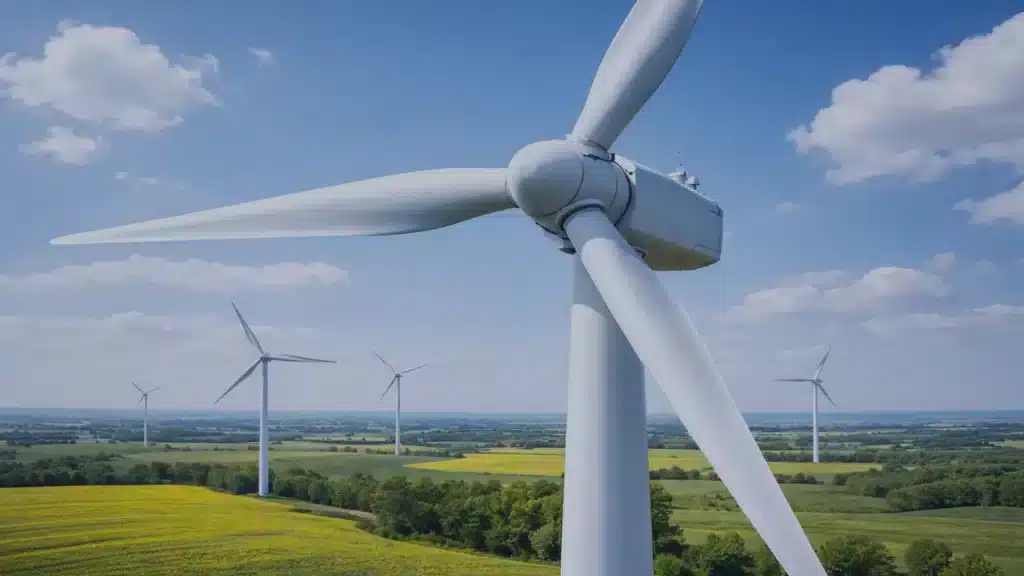
A Machinery & Plant Engineering company had realigned a central function for supply chain and cost issues. The work was strongly pragmatic in nature, which revealed a need for further development in structures, interfaces and decision-making principles.
The aim was to achieve a more systematic and efficient way of working with more readily available, reliable information for proactive management.
The project was divided into operational support, process harmonization and development of the supporting infrastructure and worked on in parallel.
Optimization of the development process
A Machinery & Plant Engineering company already had an established development process, but saw further potential in terms of interfaces, efficiency, adaptability, measurability and change management. As part of a larger program, this process was to be further developed in a targeted manner.
The aim was to increase the effectiveness and efficiency of the development process and to prepare for implementation in a way that is compatible.
To this end, the initial situation and requirements were analyzed, participants were empowered, workshops were moderated and the results were documented in a manner appropriate to the target group.
Management of a project for the construction of a production plant for rotor blades in India
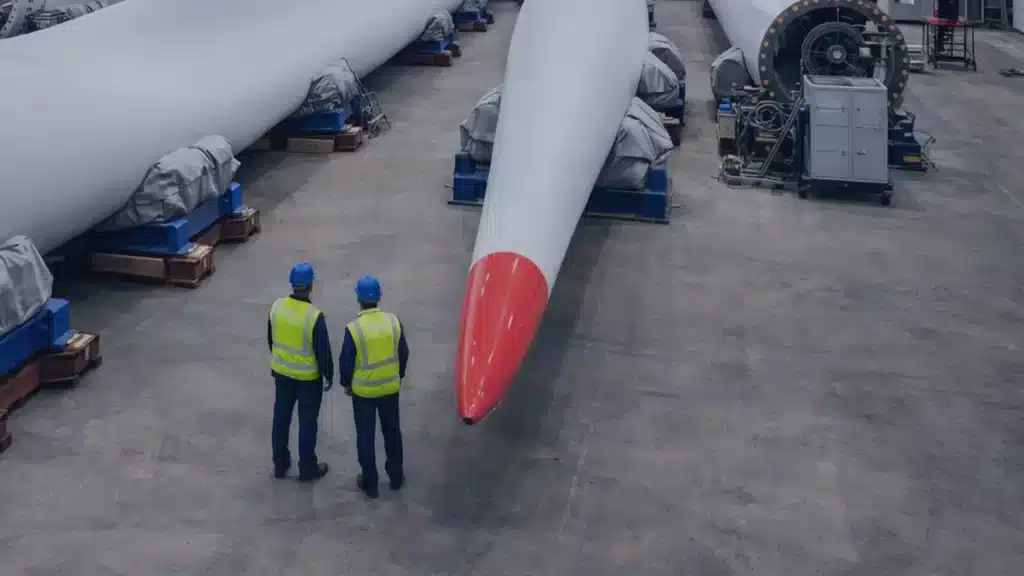
A manufacturer in the Machinery & Plant Engineering sector was planning to build additional production capacity and needed to dovetail this with other preparatory activities. In addition to local project management, this also required comprehensive control.
Infrastructure, materials, operating resources, available manpower and an orderly production ramp-up had to be ensured.
To this end, a schedule, status routines, reporting and decision-making channels were set up and operational implementation was regularly coordinated with the teams.
Training for junior managers in the public sector
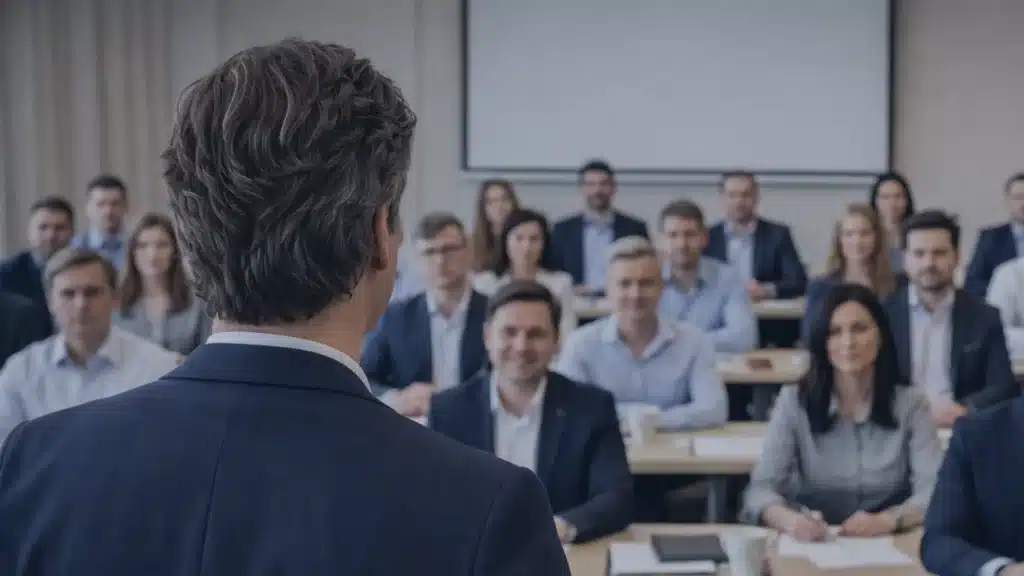
A large administration wanted to prepare prospective managers for future tasks at an early stage and establish a suitable training format for this purpose. They were looking for a program that was tailored to the requirements of the public sector.
The aim was to convey management tools, an understanding of roles and a common understanding of leadership for later use in the administrative environment.
A modular format was conceived for this purpose, designed with a practical focus and implemented with case studies, exercises and a moderated exchange of experiences.
Development of quality engineering methods

A company in the transportation and logistics sector was working with numerous external partners on complex development projects. Different methodological approaches made it difficult to reliably safeguard development processes and results.
What was needed was a coordinated methodological approach that assesses maturity levels, integrates best practices and supports collaboration more systematically.
Based on the analysis of the requirements, suitable instruments were compiled, selected, developed and prepared for further standardization.
Reorganization of an IT department of a manufacturer of music software & hardware

A technology company had already initiated organizational changes, but saw further potential in the IT area in terms of organization, processes and performance and service portfolio. A reliable overall picture was therefore required for the future direction.
A clearly described target image, suitable measures and an implementable change plan for further development should be drawn up.
This was based on assessments, close coordination with stakeholders and a series of workshops on organizational, technical and change-related topics.
Optimization of the supply chain planning of an abrasives manufacturer

An industrial company with internationally distributed procurement, processing and finishing had introduced an extended planning system. However, practical use revealed weaknesses that limited transparency, controllability and operational effectiveness.
The aim was to gain a sound understanding of strengths and weaknesses, derive and implement improvement measures and stabilize delivery performance in the long term.
To this end, a conceptual and a steering work stream were set up in parallel, worked on with relevant stakeholders and continuously followed up.
Development of a management standard for trade fair projects
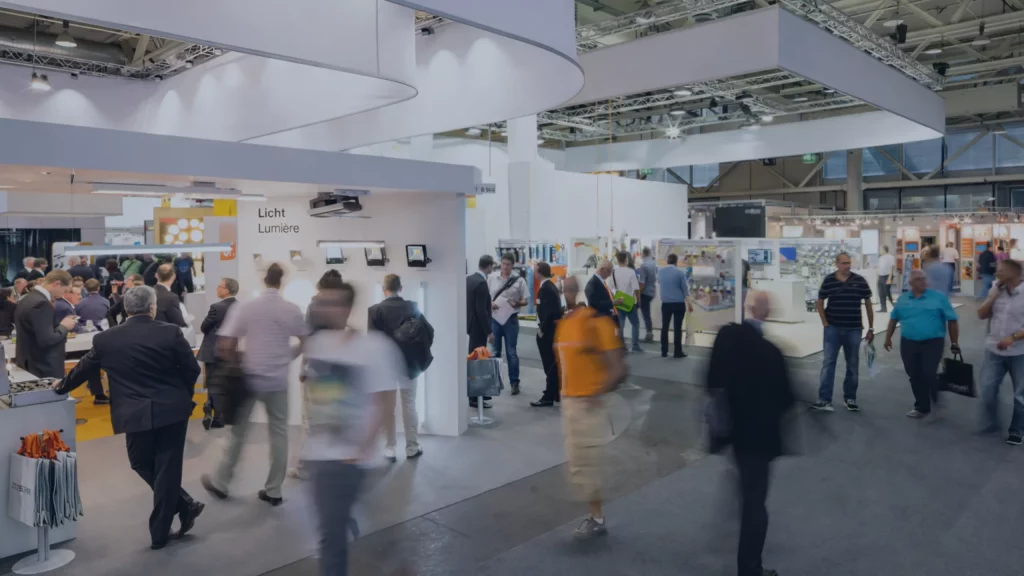
A Building Technology company regularly organized numerous events and already had experience in preparing them. Nevertheless, there were repeated peak loads and additional expenses in the course of the trade fair projects.
A uniform standard was required that brings together the participants, phases, external partners and suitable tools in a clear structure.
To this end, a manual and a generic project plan were created, applied as a prototype, coordinated and put into practice through training.
Interim management of a marketing department

A manufacturer in the Building Technology sector had to temporarily fill the position of head of a marketing department. In addition to day-to-day business, this particularly involved supporting product launches and managing the organizational unit concerned.
Management tasks, specialist management responsibility and the further development of processes, structures and cross-departmental cooperation should be taken on.
Initially, the focus was on new and ongoing projects, followed by the management of day-to-day business and the organizational development of the department.
Development and operation of a cost reduction program

A Building Technology company wanted to support growth, digitalization and internationalization by increasing efficiency and reducing costs. Earlier internal programs had already provided impetus for this, but were not anchored effectively across the board.
The aim was to increase efficiency throughout the company and thus free up additional capacity for strategic changes.
To this end, an optimization program was set up that combined control, commitment and operational support in the identification and implementation of measures.
Optimization of the requirements management of an airport operator
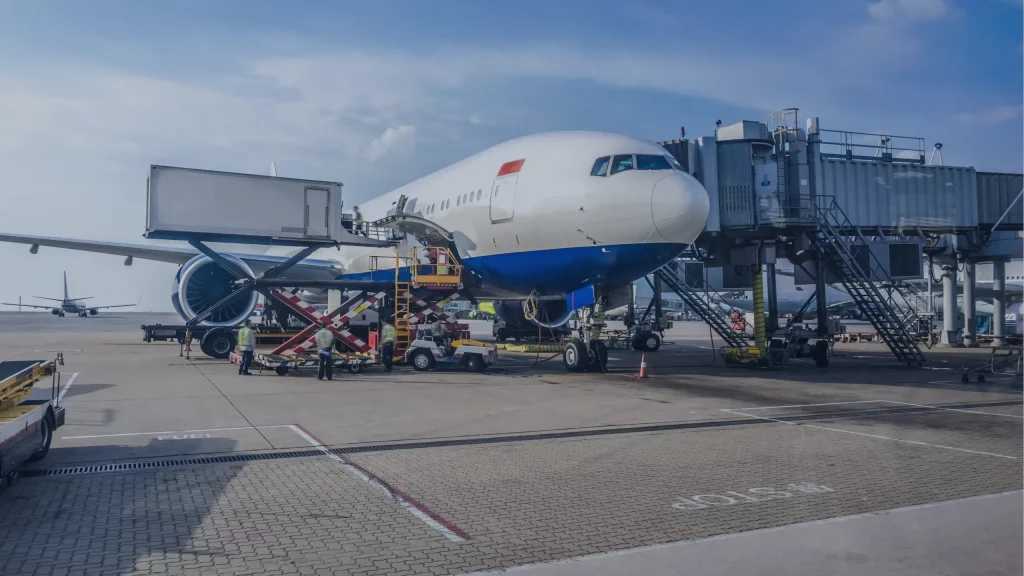
An operator of complex infrastructure was dependent on the coordinated interaction of several areas in central processes. There was a particular need to clarify requirements, coordination and subsequent collaboration at interfaces.
Requirements management, cross-departmental cooperation and the organizational anchoring of the solutions developed should be improved.
To this end, interfaces were systematically analyzed, workshops were prepared and held, agreements were coordinated and implemented, and the results were documented in a comprehensible manner.
Development of a workflow management system for an airport operator
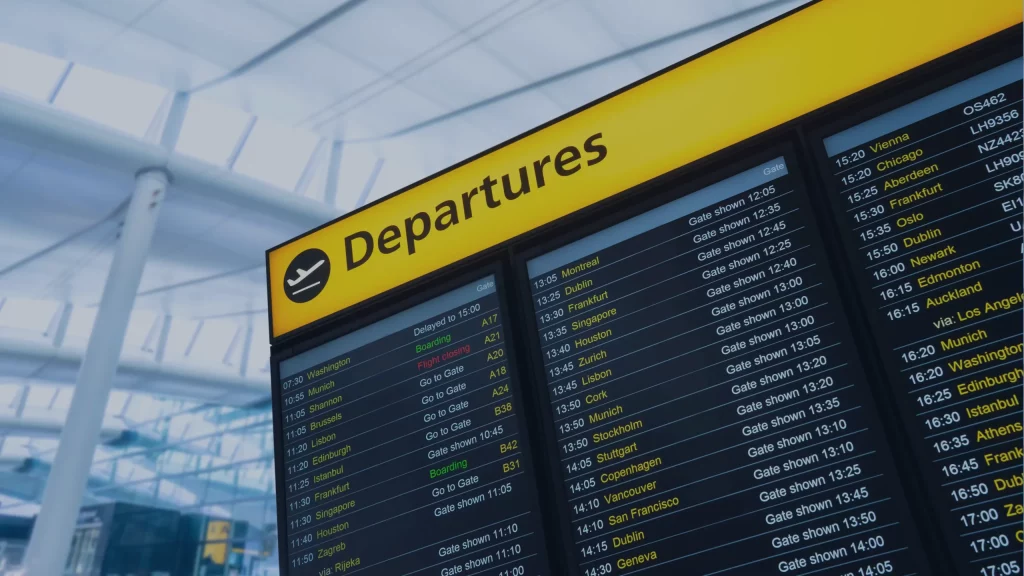
A company in the logistics sector had not yet fully institutionalized roles, responsibilities and processes for end-to-end workflow management. Building on existing process management, a consistent approach with an initial reference workflow was to be developed.
A viable basis for workflow management was sought, including suitable support, prototype implementation and subsequent expansion steps.
To this end, standards were developed, the actual and target processes were described, a prototype was implemented, tested and transferred to a reference approach.
Optimization of the process management system of an airport operator

A company from the Transport & Logistics sector was pursuing the reorganization of its company-wide process management in order to establish a resilient framework for this. Viable concepts were to be developed, tested and made connectable in a pilot area.
Central instruments, role models, sets of rules, communication approaches and a suitable tool for process modeling were to be developed.
In the project, results were prepared at fixed intervals, discussed together, adapted and finalized step by step with experienced participants.
Optimization of the QM system according to ISO9100 and EASA part 21G of a manufacturer of aircraft parts
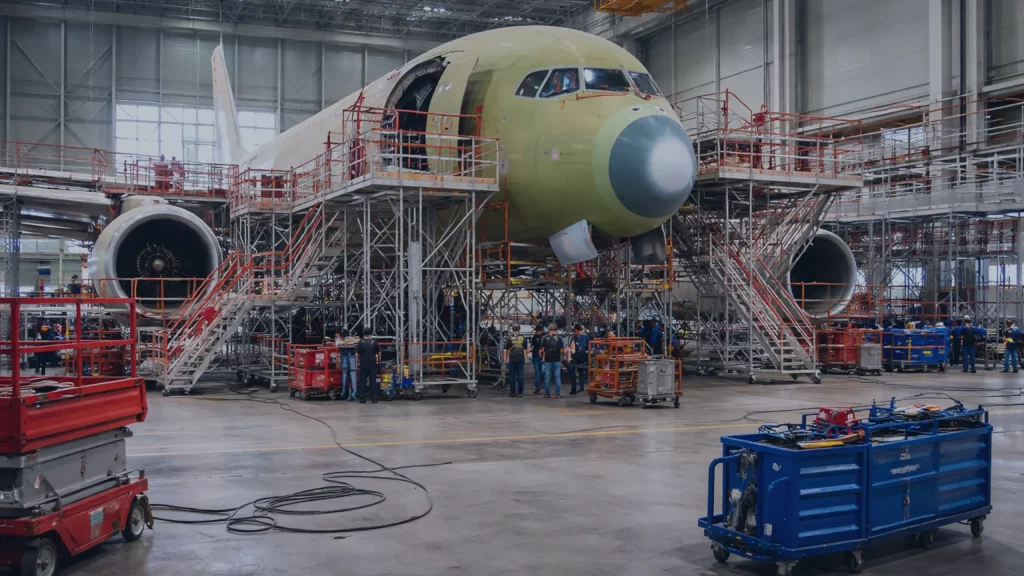
A company in the Aviation Industry with development, supply control and production intended to further develop its quality management in several areas. At the same time, backlogs and demanding planning conditions shaped the organizational framework of the project.
The aim was to identify and prioritize potential improvements and implement them effectively at an appropriate pace without placing a disproportionate burden on ongoing processes.
To this end, the project was jointly managed, divided into sub-projects, accompanied in an agile manner and, if necessary, supported operationally.
Development of leadership skills among senior employees

A technology-oriented service company employed managers with heterogeneous levels of experience in a demanding competitive environment. This resulted in the need to outline management roles, responsibilities and expectations more systematically.
The focus was on teaching basic leadership principles and strengthening role awareness, cooperation and motivation within the teams.
To this end, relevant content was first developed in a structured manner in workshops and then explored in greater depth in seminars and group coaching sessions and reflected on as required.
Contact
If you would like to find out more about us or get in touch with us, simply write to us using our contact form:
If you would like to find out more about us or get in touch with us, simply write to us using our contact form:
You are also welcome to visit us on site in Aachen:
Or visit us on social media:
